

Fábrica de Freios de Prensa CNC no Vietnã: Prazo de Entrega, QC, e Suporte
O Vietnã rapidamente se transformou em uma potência global da manufatura, particularmente nos setores de fabricação de chapa metálica e engenharia de precisão. Ao procurar por umFábrica de freios de prensa CNC no Vietnã, É fundamental distinguir entre empresas queFabricação as máquinas e aquelas queutilizar freios de pressão CNC de alta qualidade para fornecer serviços de fabricação de classe mundial.
Enquanto isso, China e Europa continuam dominantes na fabricação de equipamentos originais (OEM) para as próprias máquinas, O Vietnã tornou-se o "China+1" Destino de Escolha para a Produção Real de Metais. Este guia explora a realidade logística, Padrões de qualidade, e infraestrutura de suporte que você pode esperar ao se abastecer de uma instalação sediada no Vietnã.
Fábrica de Freios de Prensa CNC no Vietnã: Prazo de Entrega, QC, e Suporte
A narrativa da manufatura no Vietnã em 2026 é uma das "precisão em escala." O país conseguiu atrair com sucesso um grande investimento estrangeiro direto (IDE) do Japão, Coreia do Sul, e Europa, resultando em uma paisagem repleta de fábricas que utilizam tecnologia de classe mundial Freio de pressão CNC tecnologia para atender à cadeia global de suprimentos. Se você está procurando terceirizar sua dobra de metal ou procurando um parceiro regional para equipamentos industriais, compreender os padrões logísticos e de qualidade das fábricas vietnamitas é a chave para uma parceria bem-sucedida.
Qual é o estado atual da indústria de freios de prensa CNC no Vietnã?
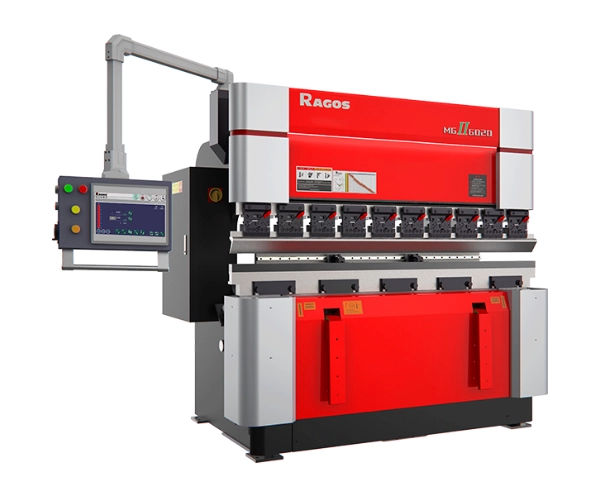
Para entender o mercado do Vietnã, Você deve primeiro distinguir entre construtores de máquinas e usuários de máquinas. Embora a região ainda não seja um centro global para Edifício Unidades originais de freio de pressão — um mercado ainda dominado por um Fabricante de freios de pressão da China ou um Fornecedor europeu de freios de pressão—é uma potência absoluta em usando essas máquinas para fabricação por contrato.
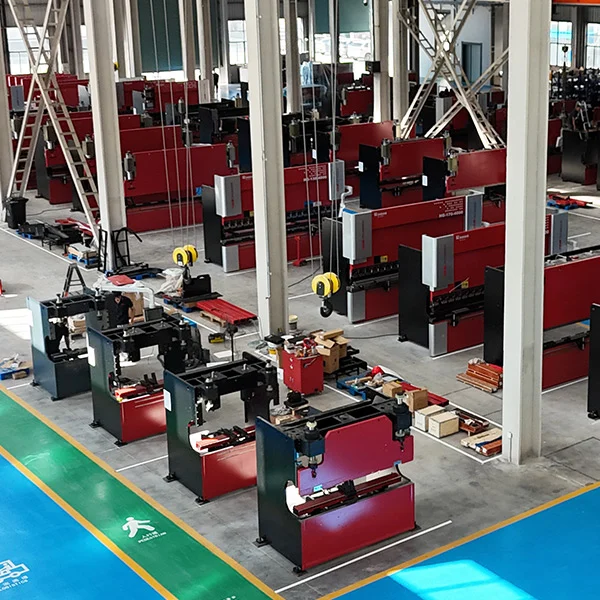
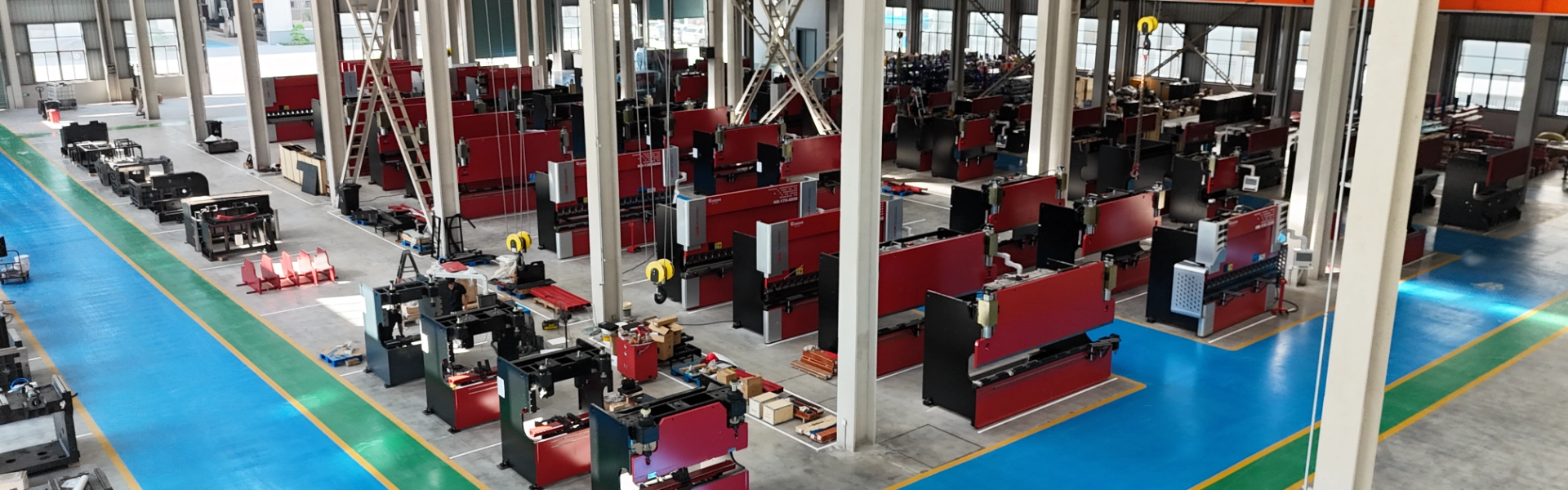
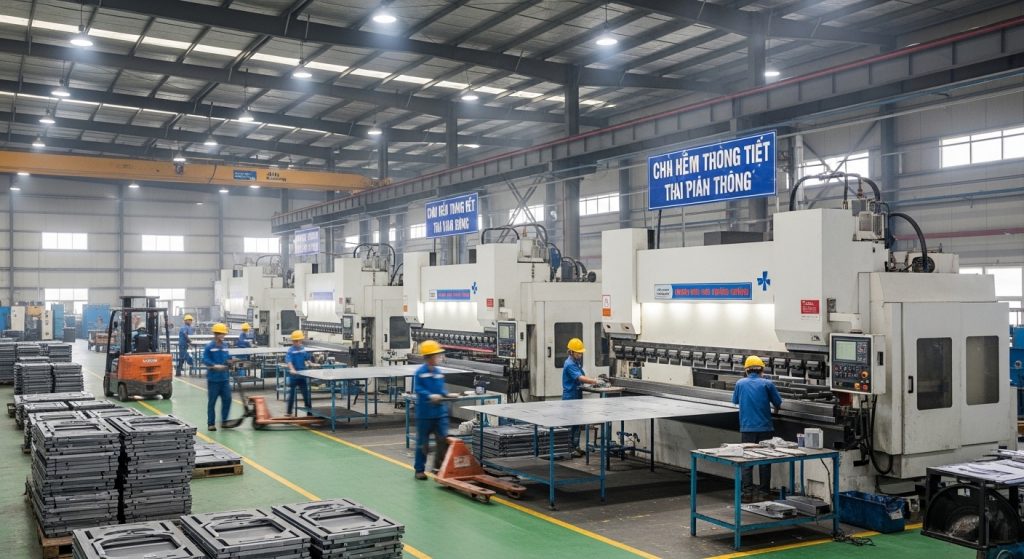
A maioria "Fábricas" Você encontrará no Vietnã centros sofisticados de fabricação de chapa metálica. Essas instalações frequentemente abrigam dezenas de máquinas CNC importadas de marcas de alto nível, como a Amada, Trump, e Bystronic. Isso permite que eles ofereçam o "Vantagem do Vietnã": custos de mão de obra mais baixos aliados à precisão de alto padrão dos equipamentos japoneses ou europeus. Recentemente, Empresas locais começaram a entrar no setor de montagem, integrando controladores CNC importados com quadros fabricados localmente para oferecer "híbrido" máquinas que oferecem um preço médio para compradores regionais.
Qual é o tempo típico de antecedência para projetos de dobra no Vietnã?
No ambiente acelerado de manufatura de 2026, O prazo de entrega costuma ser tão importante quanto o preço. A proximidade do Vietnã com as principais rotas marítimas e seus "China+1" Status faz dela um player altamente ágil no setor logístico.
1. Turnaround de Protótipos e Pequenos Lotes
Para customização Freio de pressão HVAC componentes ou pequenos lotes de suportes, Fábricas vietnamitas normalmente oferecem um 7 a 14 dias Evolução para protótipos. A densidade de fornecedores de materiais em zonas industriais como Binh Duong ou Bac Ninh significa que aço bruto ou alumínio geralmente está disponível em 24 a 48 horas.
2. Produção em Massa e Exportação
Uma vez que um projeto é aprovado, A produção em massa normalmente exige 4 a 8 semanas. Essa duração leva em conta a aquisição de materiais específicos, A configuração de sequências de flexão em múltiplos estágios, e a inspeção final de qualidade. Transporte de portos importantes como Cat Lai (Cidade de Ho Chi Minh) ou Hai Phong (perto de Hanói) para a Europa ou os EUA geralmente são necessários um adicional 3 a 5 semanas, embora o frete aéreo seja uma opção para emergências, Componentes de alto valor.
3. Prazos de Entrega de Compras de Máquinas
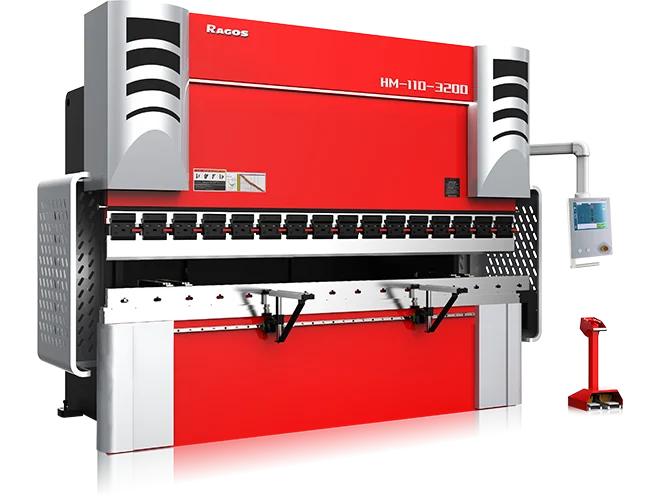
Se você está comprando um freio de pressão CNC montado localmente ou integrado de um fornecedor vietnamita, O prazo de entrega geralmente é 10 a 16 semanas. Esse prazo mais longo se deve à necessidade de importar componentes de alta tecnologia, como controladores Delem holandeses ou válvulas hidráulicas alemãs Rexroth, que atualmente não são fabricados no Vietnã.
Que Controle de Qualidade (QC) Padrões que você deve esperar?
O Vietnã superou seu "Baixo custo, baixa qualidade" Reputação. A atual economia orientada para exportações é construída com base em estrita adesão a padrões internacionais, já que a maioria das fábricas locais é fornecedora de Tier 1 ou Tier-2 para gigantes globais dos setores automotivo e eletrônico.
1. Certificações ISO e AWS
Uma fábrica respeitável no Vietnã quase sempre abriga um ISO 9001:2015 Certificação para seu Sistema de Gestão de Qualidade. Para projetos estruturais, Você deveria procurar AWS (Sociedade Americana de Soldagem) ou CWB Certificações, pois isso indica que a instalação entende a relação entre flexão precisa e soldagem de alta integridade.
2. Primeira Inspeção do Artigo (DO)
Antes do início da produção completa, a fábrica deve fornecer um Primeira Inspeção do Artigo Relatório. Este relatório envolve medir todas as dimensões da primeira peça em relação aos seus desenhos CAD usando ferramentas de alta precisão.
Dica profissional: Pergunte se a fábrica usa um CMM (Máquina de Medição de Coordenadas). Essa ferramenta automatizada pode verificar geometrias 3D complexas que pinças manuais podem não perceber, Garantindo que seu Curvatura de gabinete elétrico as tolerâncias são atendidas exatamente.
3. Verificação de Tonelagem e Ângulo
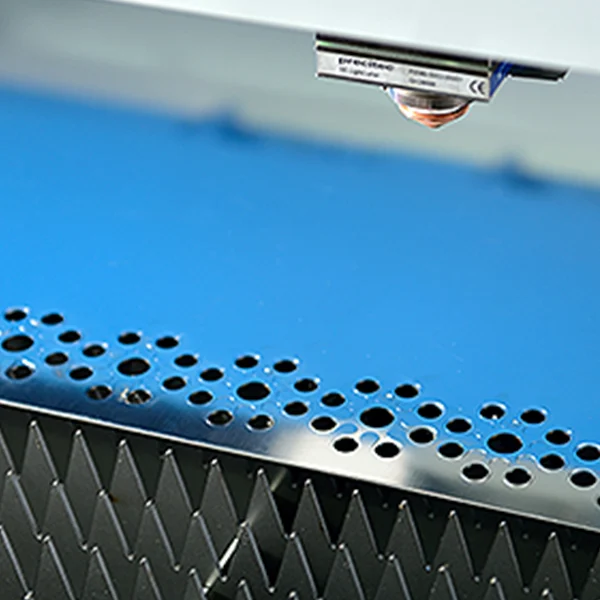
O controle de qualidade durante o processo de flexão é gerenciado pelos sensores internos do CNC. Muitas fábricas vietnamitas agora utilizam sistemas de medição de ângulo a laser que verificam a curvatura em tempo real. Para garantir que a máquina não esteja sobrecarregada, o que pode causar deflexão de quadro, A fábrica deve seguir uma fórmula padronizada de tonelagem:
$$P = frac{650 vezes S^2 vezes L}{V}$$
Seguindo esses cálculos, A fábrica garante que o aço de 10mm ou alumínio de 2mm não seja apenas dobrado, mas formado dentro dos limites elásticos da estrutura da máquina, Mantendo a precisão a longo prazo.
Que tipo de suporte e manutenção local está disponível?
Uma das maiores preocupações para um comprador internacional é o que acontece depois a compra ou durante uma produção complexa. O Vietnã construiu uma infraestrutura de apoio robusta através do regional "Centros de Experiência" e integradores de serviços especializados.
1. Centros de Serviço Regionais
Principais distribuidoras de equipamentos industriais no Vietnã mantêm "Showrooms" ou "Centros de Experiência" onde você pode ver as máquinas em ação antes de fazer commit. Esses centros, como as encontradas em Bac Ninh, Também funcionam como centros de treinamento onde seus gerentes de projetos locais podem aprender o conteúdo específico Freio de prensa de chapa de alumínio parâmetros necessários para o seu material.
2. Peças e Consumíveis
Porque o Vietnã é um grande usuário da tecnologia CNC, Ações locais para ações ordinárias "Peças de desgaste" (Selos, Filtros, e dedos de calibre traseiro) é excelente. Você não precisará esperar por uma remessa internacional para itens de manutenção de rotina, o que é uma vantagem significativa em relação à obtenção de um local mais isolado Distribuidor de freio de pressão do Brasil.
3. Assistência Técnica Remota
Em 2026, "a distância morreu" Em Suporte Técnico. A maioria das instalações vietnamitas CNC oferece diagnóstico remoto 24 horas por dia, 7 dias por semana,. Um técnico em Hanói pode acessar o controlador da sua máquina via uma conexão Ethernet segura para solucionar falhas de software ou recalibrar o sistema de coroação, frequentemente resolvendo problemas sem uma visita física ao local.
Como o Vietnã se compara à China e à Europa como destino de abastecimento?
A decisão de adquirir de uma fábrica de freios de pressão no Vietnã geralmente é uma estratégia para diversificar a cadeia de suprimentos. Embora você possa consultar um Fornecedor China vs Europa Guia para compras de máquinas, A proposta de valor do Vietnã é singularmente equilibrada.
| Métrica | China | Vietnã | Europa |
| Profundidade de Fabricação | Construtores Originais | Montagem/Fabricação | Inovação de Alto Padrão |
| Prazo de Entrega | Muito rápido | Quase | Moderado |
| Custar | O mais baixo | Baixa a Moderada | Alto |
| Tarifas Comerciais | Barreiras Potenciais | Favorável (EVFTA/CPTPP) | Padrão |
Para compradores americanos e europeus, O Vietnã oferece um "Ponto ideal" de capacidade técnica sem a volatilidade comercial frequentemente associada ao mercado chinês. Isso a torna um local ideal para a produção em massa de componentes de dobra de ferragens ou boiler plate destinados a portos internacionais.
Auditoria Crítica de Fábrica: O que verificar antes de assinar
Antes de emitir uma ordem de compra, Você deve realizar um "Auditoria Virtual" ou contrate um inspetor terceirizado local. Use isso Lista de Perguntas de Importação para orientar sua avaliação:
- Origem da Máquina: A fábrica usa marcas CNC confiáveis? Se eles estiverem usando mais antigas, Máquinas manuais, Eles não podem garantir as tolerâncias exigidas para o trabalho de precisão de 2026.
- Condição da Ferramenta: Peça para ver fotos da biblioteca de dados deles. Se os dados estiverem enferrujados ou lascados, Suas peças terão marcas na superfície e ângulos inconsistentes.
- Habilidades de Comunicação: O gerente de projeto fala sua língua, ou eles têm engenheiros que falam inglês? Comunicação clara é a única forma de garantir que suas sequências complexas de curvatura sejam compreendidas corretamente.
- Proteção de PI: Como a fábrica protege seus arquivos CAD? Garanta que tenham um acordo claro de confidencialidade (NDA) no local.
Solução de Problemas Comuns em Peças Originadas no Vietnã
Problema: Ângulos Inconsistentes em Curvas Longas
Isso geralmente é causado por um sistema de coroação mal calibrado. Em uma parte de 3 ou 4 metros, a cama da máquina deve "Arco" para cima para contrariar a pressão descendente do carneiro. Se a fábrica não usar uma máquina com coroação hidráulica automática, Suas partes longas estarão abertas no meio.
Problema: Riscos superficiais em alumínio ou inox
Isso geralmente é resultado do uso "Aço carbono" Ferramentas para projetos não ferrosos. Para evitar isso, insistir que a fábrica use ferramentas polidas ou filme de uretano protetor durante o processo de dobra.
Problema: Rachaduras em Curvas Grossas de Placas
Quebrando Flexão de chapas de caldeirão é quase sempre devido ao uso de um dado V muito estreito. A fábrica deve seguir a regra de 8x de espessura ($V = 8 vezes T$) para garantir que o material não seja sobrecarregado ao limite.
Final Thought
A Fábrica de freios de prensa CNC no Vietnã representa um moderno, Alternativa ágil no cenário global da manufatura. Aproveitando tecnologia importada de alto nível e combinando-a com uma força de trabalho local qualificada, essas facilidades servem de ponte entre o alto custo da Europa e a volatilidade de alto volume de outras regiões. Seja você procurando um parceiro de produção para dutos complexos de HVAC ou para um conjunto estrutural pesado, a chave do sucesso no Vietnã está em verificar a maquinaria da fábrica, auditando seus processos de controle de qualidade, e estabelecer linhas claras de suporte técnico.