

Obtenção Global de Freios de Prensa CNC: Pontuação do Fornecedor do Modelo de RFQ
A Tríplice Ameaça da Obtenção de 2026: Músculo, Cérebros, e Nervos
Obtenção global de freios de prensa CNC requer uma avaliação equilibrada da rigidez estrutural, Inteligência do Sistema de Controle, e resposta hidráulica. Em JS RAGOS, Nós categorizamos esses como "Músculo" (A Estrutura), "Cérebros" (o controlador CNC), e "Nervos" (as válvulas hidráulicas e balanças). Selecionar um fornecedor que harmonize esses três elementos garante precisão de longo prazo e custos de manutenção mais baixos.
Na nossa década de manufatura em nossa base em Jiangsu, Descobrimos que muitos compradores focam exclusivamente no "preço de adesivo" de uma máquina sem auditar a arquitetura subjacente. Para suceder em 2026, sua estratégia de sourcing deve ir além das especificações genéricas e focar na integração de componentes de Nível 1 em quadros de alta rigidez.
| Categoria de Componentes | Padrão Global Preferido | Por que isso importa em 2026 |
| Controlador CNC | Em parte (DA-66T / DA-53Tx) | Simulação gráfica líder do setor e conectividade IoT. |
| Sistema Hidráulico | Rexroth / Hoerbiger | Controle de precisão em malha fechada e resposta em alta frequência. |
| Escalas Lineares | Givi Misura / Heidenhain | Crítico para sincronização nos eixos Y1/Y2 dentro de micrômetros. |
| Componentes elétricos | Schneider / ABB | Facilidade de substituição local e conformidade global com segurança. |
Como conseguir um fornecedor global de freios de pressão CNC?
Pontuação do fornecedor para freios de pressão CNC utiliza uma matriz ponderada: 40% de capacidade técnica (Peso do quadro, Marcas componentes), 30% de suporte pós-venda (Disponibilidade de técnicos), 20% de Estabilidade Financeira (Propriedade da fábrica), e 10% Logística. Em JS RAGOS, recomendamos priorizar fabricantes que utilizam eletrônicos europeus padronizados para facilitar a manutenção local e a obtenção de peças.
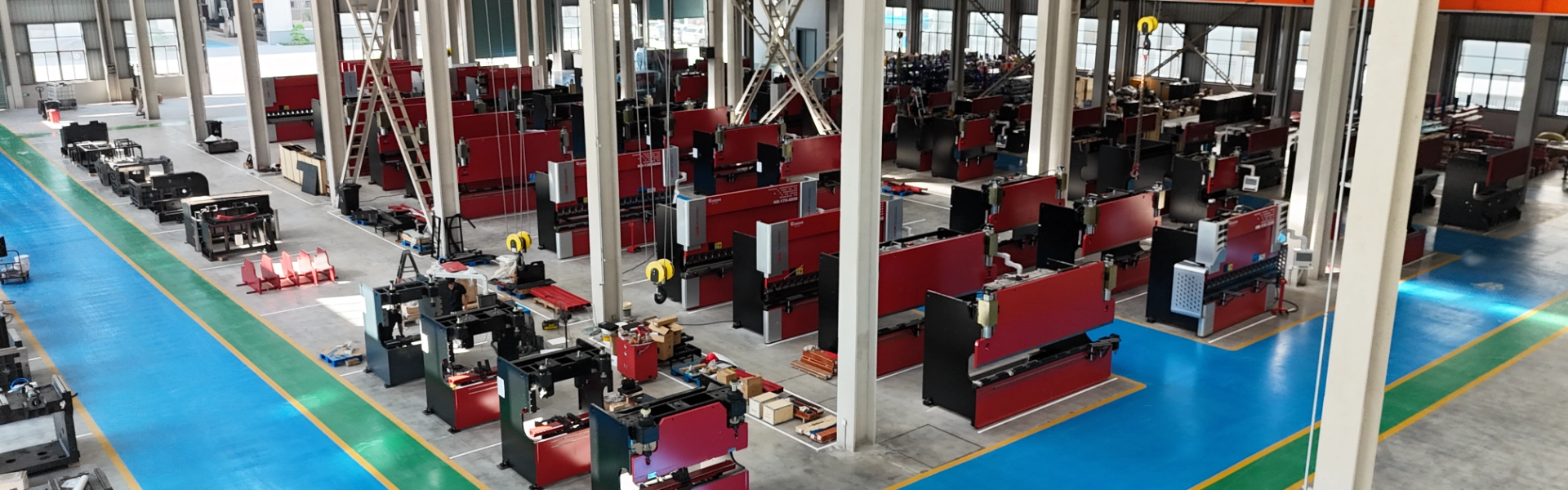
Em nossa experiência em nossa unidade em Motou Town, o "Peso" de uma máquina é a única especificação que não mente. Uma máquina de 100 toneladas de um fabricante pode pesar 6,000kg, enquanto outro pesa 4,500kg. A máquina mais leve sofrerá com maior "Yaw" ou deflexão sob carga, levando a ângulos inconsistentes. Sempre aconselhamos nossos clientes a solicitar o peso líquido do corpo da máquina — e não o peso de transporte — como sinal principal para os padrões de engenharia do fabricante.
O que deve ser incluído em um RFQ de freio de pressão CNC?
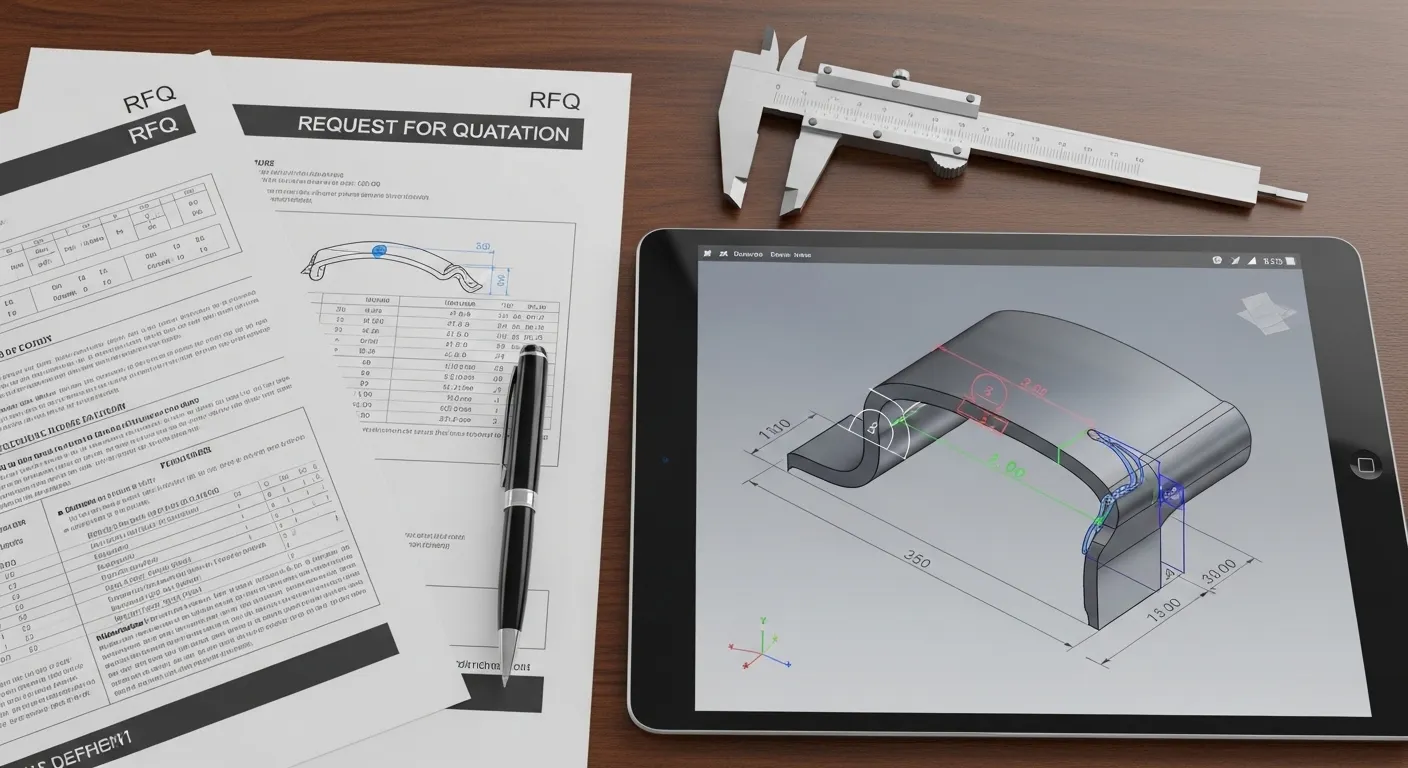
A RFQ abrangente deve incluir: Arquivos 3D STEP para complexidade de peças, Resistência à tração do material, Tolerância de Ângulo Exigida (Por exemplo,, ±0,5°), e Expectativas do ciclo de serviço. Especificamente, sugerimos que solicite a marca específica de balanças lineares e válvulas hidráulicas para garantir a integração dos componentes de Nível 1, conforme descrito em nosso Lista de Verificação para Comprar Freio de Prensas CNC.
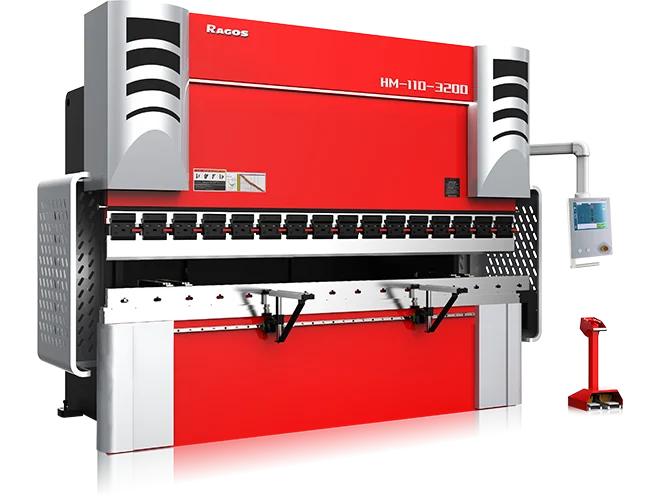
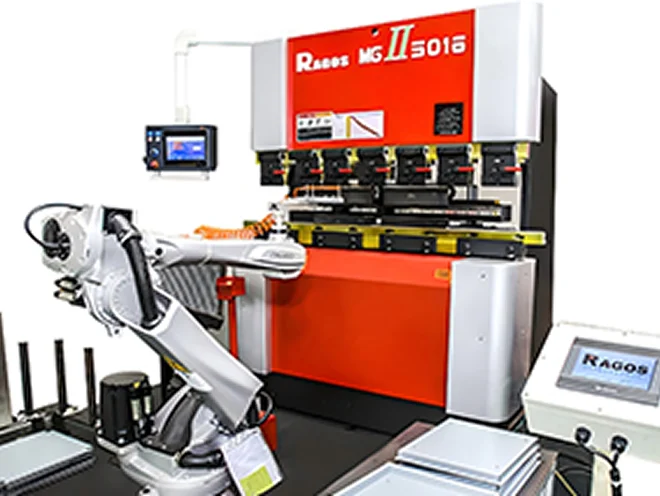
Ao redigir sua RFQ, Seja muito específico sobre suas necessidades de automação. Como vimos com nosso Freio de pressão CNC automático Soluções, Adicionar um medidor de fundo de 6 eixos ou uma célula de dobra robótica posteriormente é significativamente mais caro do que especificar o "Pronto para expansão" Controlador (como o Delem DA-66T) na citação inicial.
- Especificações de Material: Espessura máxima e resistência máxima à tração (N/mm²).
- Requisitos de Precisão: Tolerância e repetibilidade do ângulo do alvo.
- Nível de Controlador: 2D vs. Visualização 3D e tamanho da tela sensível ao toque.
- Conformidade de Segurança: EC, OSHA, ou requisitos de guarda específicos da CSA (Por exemplo,, DSP/Lazersafe).
- Preparação para o Futuro: Solicite detalhes sobre Ferramental & Automação Compatibilidade.
É melhor comprar freios de pressão na China ou na Turquia?
Fontes de China oferece o melhor Relação custo-tonelagem, tornando-o ideal para máquinas padrão 100T–300T. Turquia serve como um meio-termo, com prazos de entrega mais curtos para a Europa e construções pesadas. JS RAGOS preenche essa lacuna combinando a eficiência de fabricação chinesa com a hidráulica alemã Rexroth e os controles holandeses Delem, proporcionando um alto retorno sobre o investimento "Globalizado" máquina.
Para um Pequena Oficina, A decisão geralmente depende da rede de apoio. Em nossa década de exportações globais, Descobrimos que o "Estratégia Frankenstein"—uma estrutura chinesa de alta qualidade equipada com classe mundial "Cérebros" (Delem/Cybelec) e "Nervos" (Rexroth)—supera máquinas europeias de nível inferior tanto em custo inicial quanto em confiabilidade a longo prazo.
O Scorecard de Fornecedor Ponderado JS RAGOS
Use esta tabela para avaliar seus potenciais fornecedores. Uma pontuação total abaixo de 70 é um risco significativo para a produção a longo prazo.
| Critério de Avaliação | Peso | Indicador de Pontuação Máxima | Bandeira Vermelha |
| Marcas Componentes | 25% | Em parte, Rexroth, Alfaiate | "Nome da marca" ou peças chinesas sem marca |
| Rigidez do quadro | 20% | Alto Peso Líquido; Aço aliviado por tensão | Relutância em fornecer peso de estrutura |
| R&D Investimento | 15% | 10% de receita reinvestida; Vínculos universitários | Nenhum modelo novo ou patente em 3 anos |
| Software de Controle | 20% | Inclui software 2D/3D offline | Programação apenas com controlador (sem offline) |
| Certificações | 20% | ISO 9001; EC; Estudos de caso do mundo real | Certificados de photshop; Sem prova em vídeo |
Perguntas Frequentes
O erro mais comum é ignorar o "Custo de terra." Os compradores geralmente focam no FOB (Grátis a bordo) Preço, mas não contabilizar os impostos alfandegários (como as tarifas da Seção 301), Seguro marítimo, e o "Última Milha" Taxas de montagem exigidas para transportar uma máquina de 10 toneladas para a instalação deles.
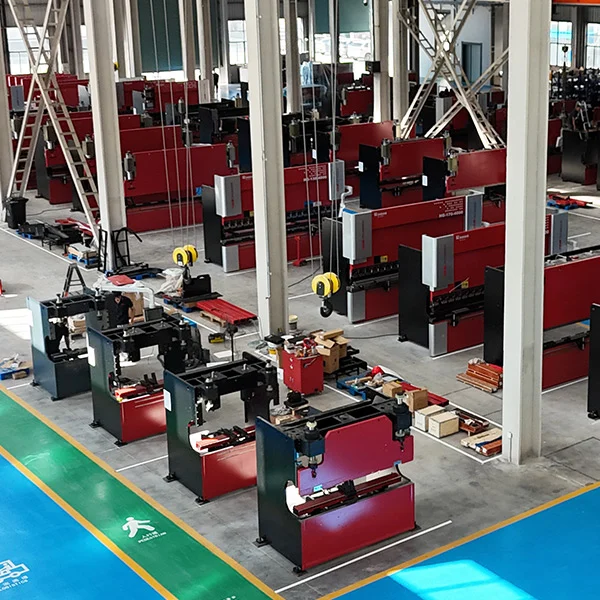
Solicite um tour ao vivo pela linha de produção mostrando especificamente as máquinas CNC de perfuração usadas para processar as estruturas dos freios de pressão. Empresas comerciais raramente têm as máquinas pesadas necessárias para fabricar as próprias estruturas e frequentemente mostram apenas um acabamento, Máquina pintada.
Para curvas simples de 90 graus, um 2-eixo (X, R) é suficiente. No entanto, para peças complexas com flanges afiladas ou múltiplos passos, um 4-eixo (X, R, Z1, Z2) ou 6-eixo (X1, X2, R1, R2, Z1, Z2) o sistema é necessário para manter a precisão sem ajuste manual.
A coroação compensa a deflexão natural da viga da máquina sob pressão. Para qualquer máquina com mais de 2,5 metros de comprimento, Recomendamos fortemente o enquadramento hidráulico ou mecânico automático para garantir que o ângulo de flexão seja consistente em todo o comprimento da peça.