

Distribuidor de Freios de Prensa CNC no Brasil: Dúvidas sobre Garantia e Peças de Reposição
Navegar pelo mercado de máquinas industriais no Brasil exige mais do que apenas um entendimento técnico da força de flexão e do comprimento do curso. Como um dos ambientes regulatórios e fiscais mais complexos do mundo, O Brasil exige uma abordagem estratégica para a aquisição. Seja você procurando um sistema europeu de alto nível ou uma importação asiática orientada ao valor, A diferença entre um investimento lucrativo e um pesadelo logístico muitas vezes se resume à confiabilidade do seu Distribuidor de freio de prensa CNC no Brasil.
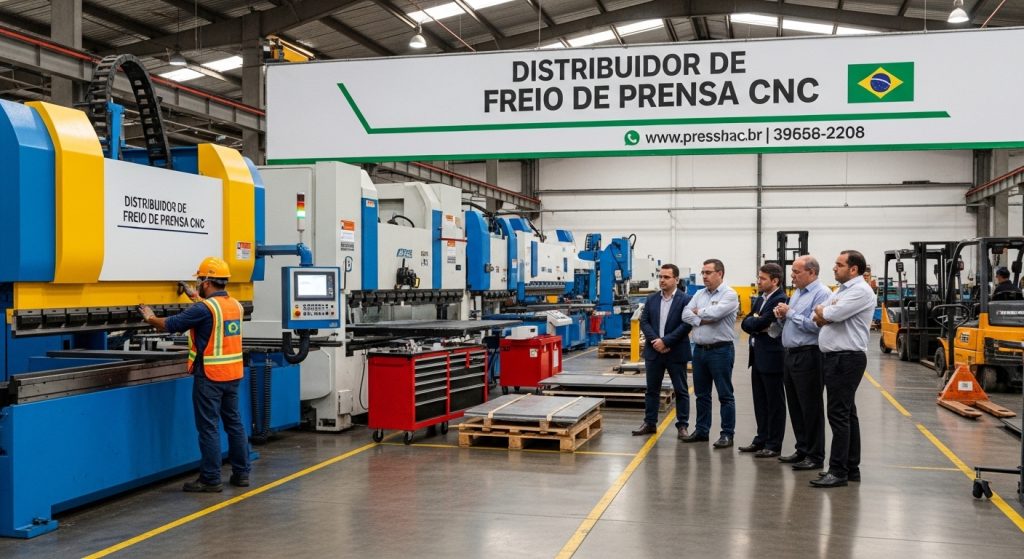
Neste guia completo, Analisamos os principais players do mercado, as nuances da cadeia de suprimentos brasileira, e as perguntas críticas que você deve fazer sobre garantia, Peças sobressalentes, e os padrões obrigatórios de segurança NR12.
🇧🇷 Distribuidores conhecidos de freios de prensa CNC & Players do mercado no Brasil
O mercado brasileiro é maduro, mas altamente segmentado. Dependendo do volume de produção e da complexidade dos componentes de chapa metálica, Sua busca provavelmente o levará a uma de três categorias de fornecedores.
Presença Direta da Marca / Redes de Distribuição
Esses são os líderes globais que investiram em infraestrutura física, Centros de treinamento, e subsidiárias diretas dentro do Brasil.
- Trump: Operando via Trumpf do Brasil, Eles dominam o segmento premium. Suas máquinas, como a série TruBend, are synonymous with Industry 4.0. Comprar da Trumpf no Brasil garante uma linha direta para a engenharia alemã, com uma equipe de serviço localizada amplamente considerada a melhor do país.
- Bystronic: Uma potência suíça focada em automação de alto nível. Eles não vendem apenas freios de pressão; Eles vendem ecossistemas integrados. Para empresas brasileiras que buscam migrar para células de dobra totalmente automatizadas, A Bystronic é uma das principais candidatas.
- Amada: Com uma longa história no setor metalúrgico brasileiro, A Amada oferece precisão japonesa. A rede de distribuição deles é robusta, foco intenso em eletrônica de precisão e setores automotivo.
- LVD: Representado por parcerias de alto nível, LVD fornece soluções avançadas europeias de freios de prensa que preenche a lacuna entre a produção em alta velocidade e a flexão industrial pesada.
Máquina local do Brasil & Empresas de Distribuição
Para muitos, "Comprando local" é uma medida estratégica para facilitar o financiamento e garantir que a máquina seja construída especificamente para a rede elétrica brasileira e para o cenário de segurança.
- Roma: Um nome conhecido na indústria brasileira. Embora famoso por tornos, A presença da Romi no setor de conformação de metais oferece aos compradores a segurança de um grande grupo, Rede Nacional de Serviços.
- Newton Máquinas: Talvez a mais especializada "Local" Nome em máquinas de chapa metálica. Eles têm um profundo entendimento das necessidades do fabricante brasileiro, oferecendo máquinas que equilibram durabilidade com suporte técnico localizado.
- Gasparini Industries: Essa marca italiana é frequentemente encontrada em lojas brasileiras por meio de distribuidores regionais especializados que fornecem as capacidades de alta tonelagem necessárias para os setores agrícola e de construção.
- Ermaksan: Como um grande fabricante turco, Ermaksan conquistou uma fatia significativa de mercado no Brasil. Elas costumam ser a escolha preferida para quem procura Revendedor de freios de pressão de peru expertise com uma relação custo-benefício que se encaixa confortavelmente entre marcas chinesas e alemãs.
Distribuidores de Importação de Marcas da China
O segmento que mais cresce no Brasil envolve distribuidores especializados em máquinas chinesas de alta qualidade. Esses distribuidores atuam como a ponte, Gerenciando o complexo "Custo Brasil" (Impostos de importação e logística).
- Yawei: Conhecido por componentes de alto desempenho (Em parte, Hoerbiger) A preços competitivos.
- Accurl: Ganhando tração para suas combinações de laser de fibra e freio de pressão.
- HARSLE: Popular entre pequenas e médias empresas (PMEs) procurando um fabricante confiável de freios de pressão chineses com representação local em estados como São Paulo ou Santa Catarina.
Como Funciona o Mercado de Freios de Prensa CNC no Brasil
Para tomar uma decisão informada, Você precisa entender o "Sistema de Níveis" de oferta no Brasil. Cada nível oferece um nível diferente de segurança pós-compra.
Tabela de Segmentação de Mercado
| Segmento | Modelo de Suprimento | Público-Alvo | Foco Principal |
| Premium | Escritórios Diretos de Marca | Auto de Nível 1, Aeroespacial | Uptime & Automação |
| Médio de Gama | Revendedores Regionais Especializados | Fabricação Geral, Mobiliário | Versatilidade & Serviço |
| Orçamento/Valor | Importadores Independentes | Oficinas de Emprego, Startups | ROI inicial & Preço |
O Papel do Distribuidor
No Brasil, O distribuidor raramente é apenas um vendedor. Por causa do NR12 (Norma Regulamentadora 12) Leis de segurança, o distribuidor geralmente é legalmente responsável por garantir que a máquina atenda aos padrões de segurança brasileiros antes de ser comissionada no seu chão de fábrica.
Padrão Real Buyer no Brasil
Como as empresas brasileiras realmente escolhem suas máquinas? Os dados mostram uma divisão clara baseada na indústria do usuário final:
- Large Industrial / Automotive: Esses compradores priorizam Confiabilidade em vez de preço. Eles quase exclusivamente se aproximam de Trumpf, Bystronic, ou Amada. O custo de uma linha de montagem parada por um dia supera em muito a diferença de preço da máquina.
- Fabricação Geral & Oficinas de Emprego: Este é o setor mais competitivo. Esses compradores frequentemente comparam um China vs. Fornecedor europeu para encontrar o "Ponto perfeito." Eles procuram máquinas com controladores Delem porque é mais fácil encontrar operadores no Brasil que já sabem usá-los.
- Compradores Focados em Custos: Frequentemente, são empresas que estão passando dos freios mecânicos manuais para os primeiros Prensa dobradeira CNC. Eles dependem fortemente de importadores independentes que podem oferecer condições de pagamento flexíveis ou auxiliar com financiamento BNDES/FINAME.
Garantia e Peças de Reposição: As Questões Críticas
Esta é a seção mais vital para qualquer comprador brasileiro. O "Custo Brasil" inclui altas tarifas de importação sobre peças de reposição e possíveis atrasos na alfândega (Receita Federal).
1. Onde está localizado o estoque físico de peças?
Se o distribuidor disser "we can get it from Germany/China in 3 days," Seja cético. Customs clearance in Brazil can take anywhere from 48 hours to three weeks.
Pergunta Chave: "Você tem uma 'Lista de estoque' de peças de reposição críticas (Válvulas, Codificadores, Selos) fisicamente localizado no seu depósito brasileiro?"
2. O suporte técnico é terceirizado ou interno?
Muitos distribuidores de menor custo utilizam técnicos freelancers. Embora tenha conhecimento, Esses técnicos podem não estar disponíveis durante os períodos de pico.
Pergunta Chave: "Quantos em tempo integral, Técnicos formados em fábrica, você tem base na minha região.?"
3. A garantia cobre "Porta a porta" Serviço?
Em um país tão grande quanto o Brasil, Os custos de viagem de um técnico de São Paulo para uma fábrica no Recife podem ser astronômicos.
Pergunta Chave: "O custo de viagem e hospedagem do técnico está incluído na garantia de 12 meses, ou apenas a peça de reposição?"
4. Qual é o "NR12 Adequação" Protocolo?
Máquinas importadas frequentemente chegam com CE (Europeus) Certificação, que é não igual ao NR12.
Pergunta Chave: "Você vai fornecer o ARTE (Anotação de Responsabilidade Técnica) para os sistemas de segurança na instalação?"
Considerações Técnicas para o Clima Brasileiro
O clima diversificado do Brasil — do Norte úmido ao Sul industrial — afeta a longevidade das máquinas.
- Resfriamento Hidráulico: Em regiões mais quentes como Minas Gerais ou o Nordeste, certifique-se de que seu freio de pressão CNC esteja equipado com um sistema ativo de resfriamento a óleo. O calor é o principal fator de morte das vedações hidráulicas.
- Flutuações de tensão: As redes industriais brasileiras podem ser instáveis. Um distribuidor de alta qualidade deve recomendar ou incluir um estabilizador de tensão para proteger a eletrônica sensível do controlador CNC.
- Interface Portuguesa: Barreiras linguísticas levam a erros. Garanta que seu Lista de Perguntas de Importação inclui a exigência de que o software CNC seja totalmente traduzido para o português brasileiro.
Matriz de Decisão Final: Encontrando seu parceiro
Selecionando um Distribuidor de freio de prensa CNC no Brasil é um casamento de longo prazo. Antes de finalizar sua compra, Verifique o seguinte:
- BNDES/FINAME: O distribuidor pode facilitar o financiamento local?? Essa é frequentemente a única forma para as PMEs brasileiras adquirirem equipamentos de alta qualidade.
- Referências: Peça as informações de contato de pelo menos três clientes no seu estado específico. O apoio regional varia muito.
- Compatibilidade de Ferramentas: Certifique-se de que a máquina utilize ferramentas padrão Promecam ou estilo Wila, que é facilmente obtido localmente no Brasil.
Investir em um freio de pressão CNC é um passo significativo rumo à maturidade industrial. Focando na capacidade do distribuidor de fornecer Peças de reposição locais e Certificação NR12, você protege seu investimento dos desafios únicos do mercado brasileiro.