

Matrizes e Socos do Freio de Pressão: The Ultimate Selection Guide for Modern Metal Fabrication
Por autor: Mark Hanks
Introdução
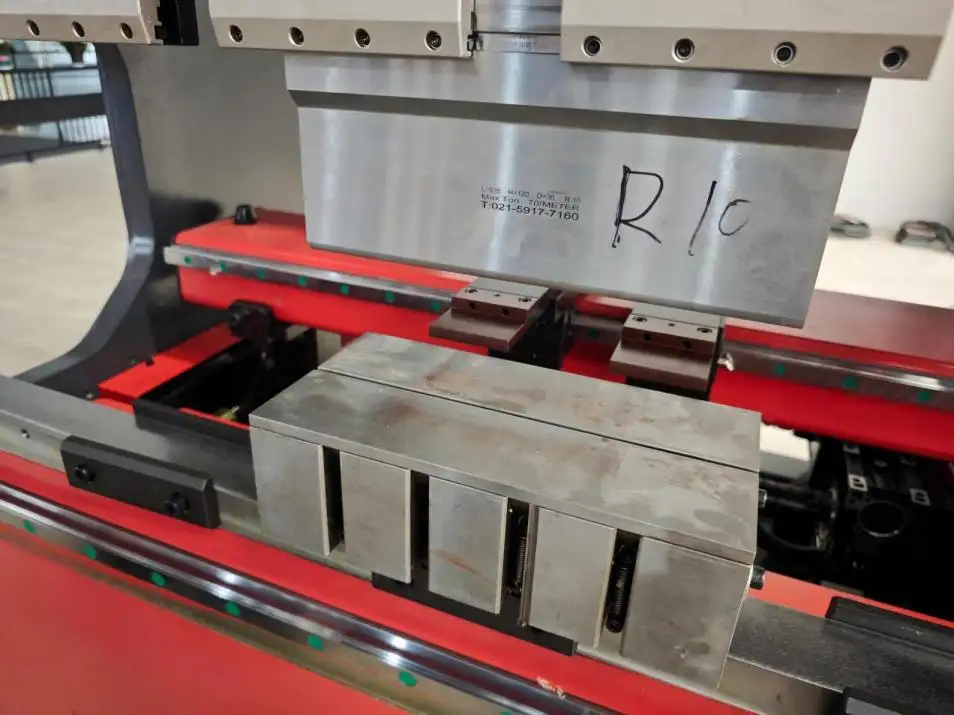
Press brake dies and punches are far more than minor accessories in metal forming—they are the only components that actually touch your workpiece, making them critical to bending success. While modern press brakes have evolved into multi-axis, high-precision machines with self-stabilizing features, your tooling ultimately determines part quality, Eficiência de configuração, e repetibilidade.
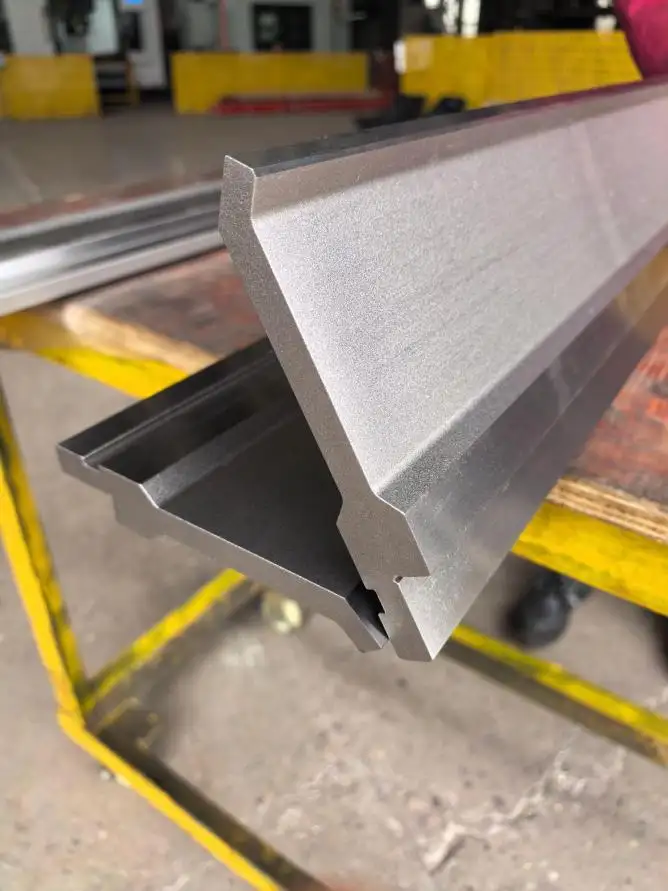
Hoje, the lines between RFA, New Standard, Europeus, and American standard tooling have blurred. Flexão de alto desempenho features have migrated across all tool types. Regardless of which style you choose, every quality toolset must meet several non-negotiable requirements.
6 Requisitos para Ferramentas de Qualidade
1. Alta precisão
Tooling quality demands a tolerance of 0.0004 inches. Being that precise means you can eliminate shimming/adjusting during the setup process. Como resultado, each part can be produced accurately.
2. Segmented Sections
Pre-cut pieces allow you to build various lengths safely. Smaller segments are easier to handle and significantly safer than long, heavy tools.
3. Self-Retaining Installation
You should be able to load tools with the ram up. The toolholding system must hold multiple pieces in place until clamping pressure is applied.
4. Self-Seating Design
As clamping pressure engages, punches should mechanically pull up into position. This eliminates the need to bottom the punch into the die during setup.
5. Front Loading Capability
Installing tools from the front of the machine dramatically shortens setup time. You no longer need to slide tools from the end of the press brake, e na maioria dos casos, front loading eliminates forklifts and overhead cranes.
6. Standard Heights
Common-height tools reduce machine adjustments when changing jobs. Front support arms, backgauge heights, and safety devices remain at consistent positions. Plus, you can add off-the-shelf pieces that match your existing tools.
✅ Note: Many high-quality press brake tools follow metric standards. For air bending (the focus of this guide), imperial dimensions are rounded for simplicity.
Avalie Seus Requisitos Primeiro
A custom shop will need entirely different tools to maintain than a custom fabricator. You must first evaluate:
• Tipos e quantidades de peças
• Espessura dos materiais
• Restrições financeiras
• Metas para manufatura enxuta
As a suggestion, you should make tool libraries for every press brake. When a tool set remains at a machine, there is no time wasted walking back and forth to get tools. Também, if tools are set at each press brake, the tools no longer need to be compatible to different machines.Look for tools with the most wear—shiny, bright working surfaces indicate frequently used, reliable options. Rusty, dirty tools at the bottom of the rack are rarely good candidates.
Die Selection: The 8×2 Rule
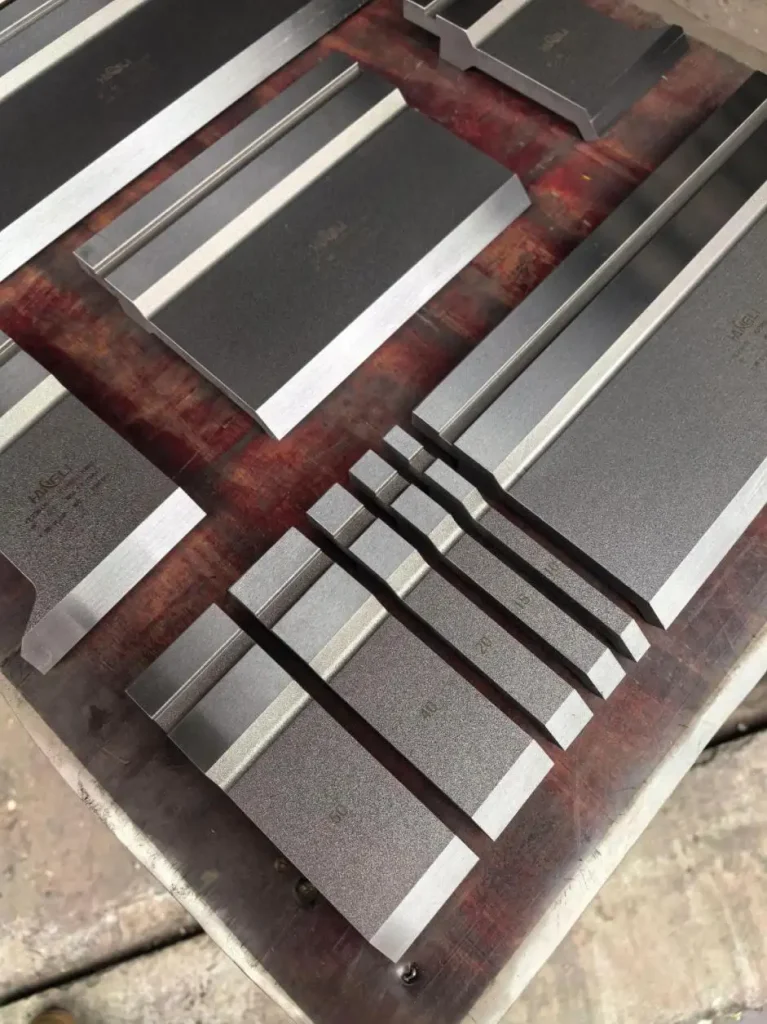
To maximize value, choose a minimum number of lower dies that cover your entire material thickness range.
Step-by-step example (for materials 0.030 to 0.250 inches thick):
| Passo | Cálculo | Resultado |
| Menor dado V | 0.030 × 8 = 0.24 | Arredondado para 0,25 polegadas |
| Maior dado V | 0.250 × 8 = 2.0 | 2.0 polegadas |
| Preencha a lacuna | Dobre cada tamanho | 0.5, 1.0 polegadas |
Your minimum set: 0.25, 0.5, 1.0, and 2.0-inch V dies
Seleção do punção por espessura do material
| Espessura do Material | Tipo de Punção Recomendado | Raio da Ponta |
| Até 0,187 polegadas | Punção aguda com faca offset | 0.04 inches |
| 00,187 a 0,5 polegadas | Soco reto | ~0,120 polegadas |
| Acima de 0,5 polegadas | Consulte o fornecedor de materiais | Variações |
The acute offset punch allows bending past 90 degrees and forming J shapes. For thicker or high-tensile materials, a narrow punch tip combined with a narrow V-die opening can cause creasing or cracking—always verify recommendations for challenging applications.
The Rule of 8: Your Bending Sweet Spot
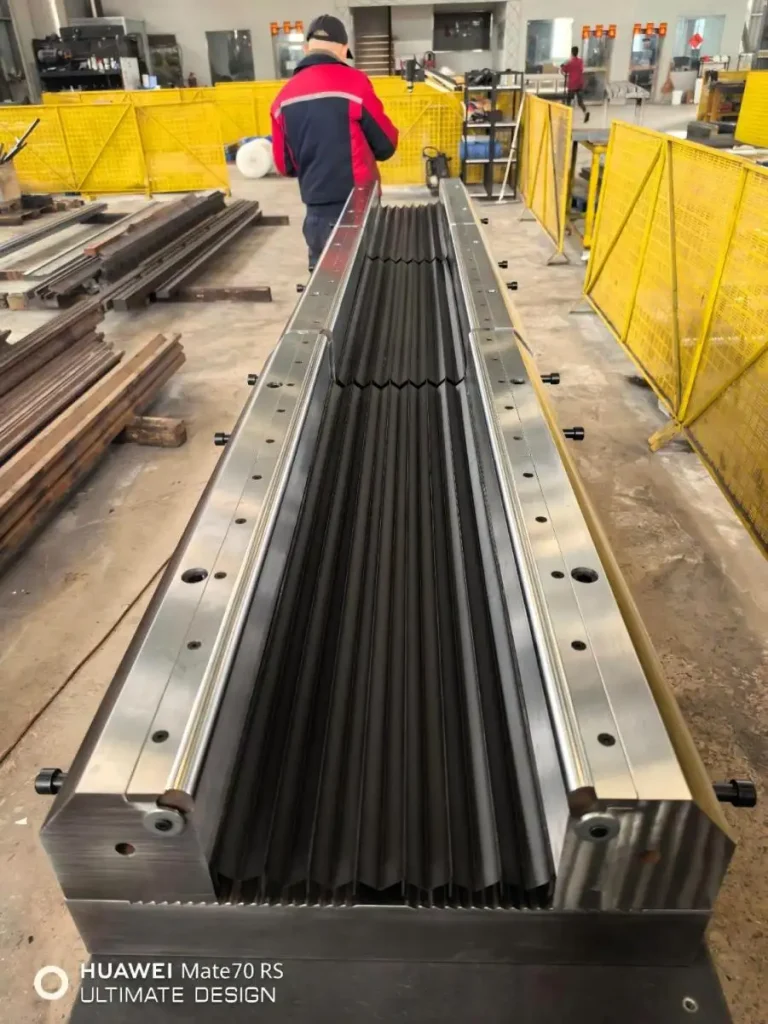
Em condições ideais, the V-die opening should be 8 times the material thickness.
| Espessura do Material | Cálculo | V Die recomendado |
| 0.060 inches | 0.060 × 8 = 0.48 | 00,5 polegadas |
| 0.125 polegadas | 0.125 × 8 = 1.0 | 1.0 polegadas |
This ratio delivers the best angular performance—which is why most published bending charts center on this formula.
Real-world exception: When designers specify bend radii different from the rule of 8, you'll need to adjust.
Como a abertura do V-Die determina o raio de curvatura
When air bending mild steel, the inside bend radius equals approximately 16% of the V-die opening.
| Raio Interno Desejado | Espessura do Material | Cálculo | V Die recomendado |
| 0.125 polegadas | 0.125 polegadas | 0.125 ÷ 0.16 = 0.78 | 00,75 polegadas |
| 0.320 polegadas | 0.125 polegadas | 0.320 ÷ 0.16 = 2.0 | 2.0 polegadas |
Warning: If you need a V-die opening less than 5 times the material thickness, you risk:
• Precisão angular comprometida
• Danos em máquinas e ferramentas
• Condições operacionais inseguras
Requisitos mínimos de comprimento de flange
A V die can form flanges nearly 77% of its opening.
| Tamanho do Die V | Flange Mínima |
| 1.0 polegadas | 00,77 polegadas |
| 00,625 polegadas | 0.48 inches (~0.5) |
✅ Example: A drawing shows 0.125-inch material with a 0.5-inch flange. The 8:1 rule requires a 1-inch V die, but this gives a 0.77-inch flange. What to do? Use a 0.625-inch V die.
Again, never go below 5× material thickness for die width.
Regras de Seleção de Socos por Forma
L Shapes: No Rules
Almost any punch shape works. Select punches that can also handle other part shapes—less is always best for minimizing both tooling cost and setup time.
J Shapes: Three Rules
| Condição | Punch Necessário |
| Condition 1 (Up-leg > Bottom-leg / Flange is shallow) | Socos padrão diretos ou agudos |
| Condition 2 (Up-leg < Bottom-leg / Inward deep return) | Soco em pescoço de ganso |
| Perna pequena para cima = perna inferior | Punção aguda deslocada |
Deslocamento (Z) Shapes
With conventional tools, you need two ram cycles. Requisitos:
• Center leg (web) > half the V-die body width
• Side leg < V-die height + riser height
✅ Special case: When the web is less than half the V-die body width, you need a custom form tool (one stroke, no plate flipping). Trade-off: This is a coining process that requires up to 5× to 6x standard air-bending tonnage.
Curvação sobre recortes e esquadrias
Unsupported material inside the V die deforms, Criação "blowouts" near holes and cutouts.
• Solution: Rocker-type dies eliminate blowouts identically, as they support the material while bending and rotate with the work operand piece.
• Key insight: Longer cutouts produce more blowout than shorter ones of the same width.
Altura do punção para dobra de caixa
For four-sided boxes, use this formula:
Minimum punch height = (Box depth ÷ 0.7) + (Ram thickness ÷ 2)
Additional considerations:
• Sem flanges de retorno ou flanges que se projetam para fora = folga mínima necessária
• Flanges de retorno em todos os quatro lados = folga suficiente para torcer e remover a caixa
Ferramentas combinadas de dobra e barra
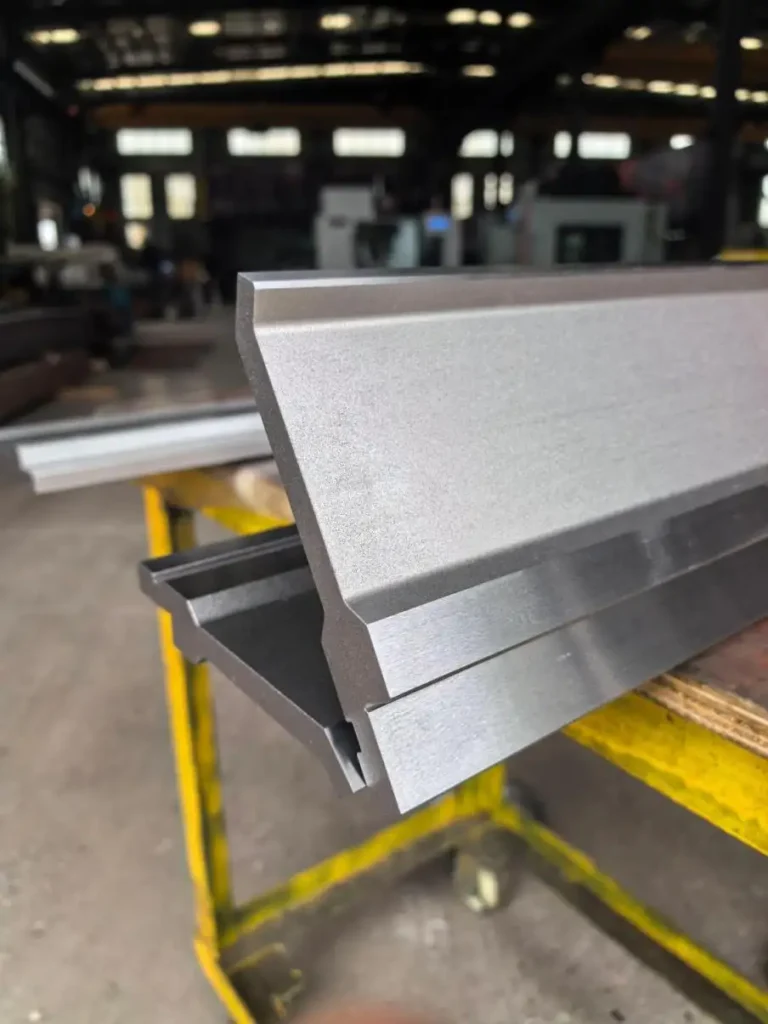
These tools form hemmed edges in a single setup.
| Espessura do Material | Viabilidade |
| Até 0,125 polegadas | Ferramentas padrão funcionam |
| Acima de 0,125 polegadas | Pode exigir ferramentas personalizadas |
Flange requirement for hems: Minimum 150% to 200% of the V-die opening width (due to the deeper penetration required during the preliminary 30° acute pre-bend).
✅ Example: A V10 die requires an 15.0 mm to 20.0 mm minimum flange before hemming.
Alcançando Peças Sem Riscos
Standard V-die bending leaves some marks—usually minimal and acceptable. To reduce marking:
• Aumentar o raio do ombro
• Usar inserts de nylon para materiais pré-pintados ou polidos
�� Critical applications: Aircraft/aerospace parts require scratch-free bending because inspectors cannot easily distinguish between scratches and cracks.
Simplicity Is a Virtue: 3 Rules for Part Design
Consider these rules when designing parts for simpler tool selection and bending:
| Governo | Especificação |
| Raio de curva interna | 1,5× Espessura do Material |
| Comprimento mínimo da flange | 6× Material Thickness (with hole placement) |
| Dimensão da Web Offset | 10× Espessura do Material |
Every exception comes with its own problems:
• Raios mais apertados podem enrugar e exceder a tonelagem
• Shorter flanges need narrower dies (with their own risks)
• Deslocamentos mais estreitos exigem ferramentas especiais e aumento de tonelagem
Em geral, if a part can function without short flanges, narrow offsets, or tight radii, find a way to avoid using them. Follow these rules for better angular performance while decreasing the time and money spent on tools and setups.
Conclusões
| Prioridade | Item de ação |
| Comece aqui | Avalie sua gama de materiais e tipos de peças |
| Invista com sabedoria | Compre ferramentas de precisão que atendam a todos os 6 requisitos |
| Simplificar | Use a regra 8×2 para matrizes e seleção de punção baseada em material |
| Design inteligente | Siga as regras de design de 3 partes |
| Quando estiver em dúvida | Consulte seu fornecedor de ferramentas—especialmente para aplicações desafiadoras |
Press brake dies and punches are your most direct influence on bending quality, velocidade, e segurança. Choose them wisely, maintain them properly, and your press brake operation will deliver consistent, high-quality results—setup after setup.