

Freio de pressão de 3200mm vs 4000mm: Qual comprimento você precisa?
Pare de assumir que maior é sempre melhor.. No mundo da fabricação de metais, A distância entre as carcaças laterais determina sua flexibilidade, sua precisão, e seu resultado. Seja equipando uma nova instalação ou atualizando uma linha antiga, Escolher entre uma cama de 3200mm e uma de 4000mm é uma decisão estratégica que afeta cada peça que você dobra.
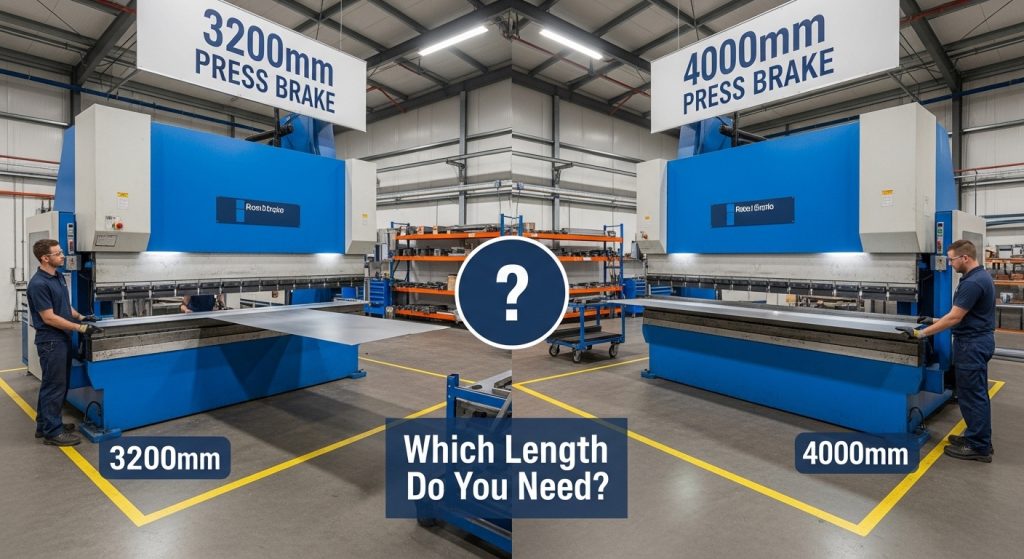
O freio de pressão de 3200mm: O Cavalo de Batalha da Indústria
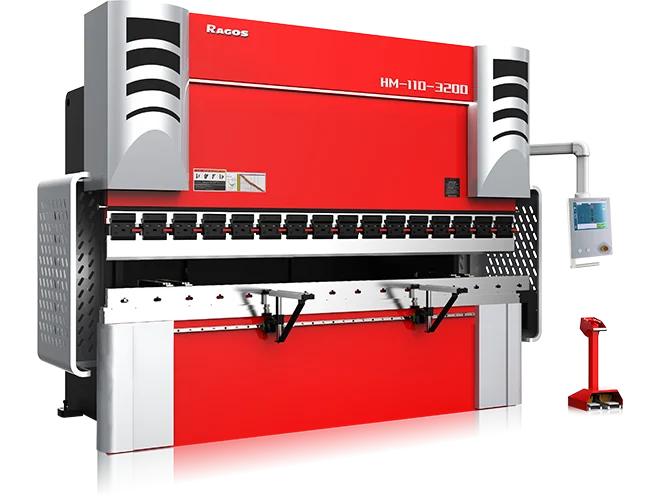
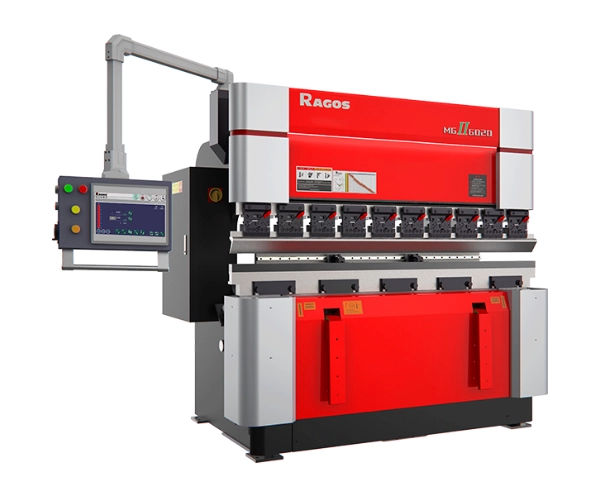
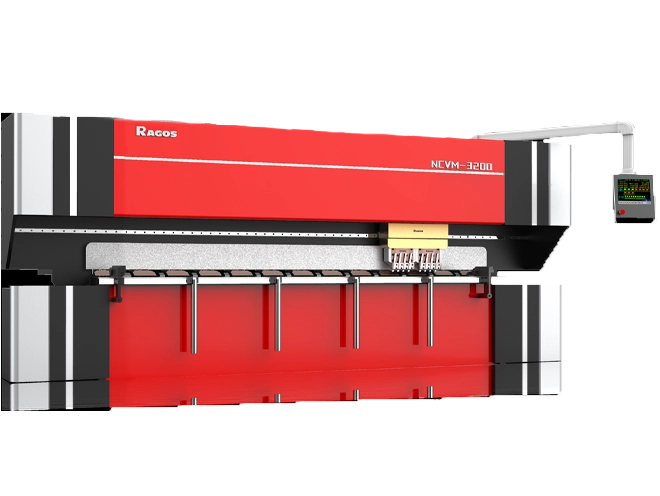
O freio de pressão de 3200mm é o tamanho mais comum encontrado em oficinas de trabalho ao redor do mundo. Ele foi projetado para suportar o padrão de 3 metros (10-foot) Folha com espaço suficiente para sobrar. Se seu fluxo de trabalho diário envolve uma mistura de parênteses, Painéis, e invólucros de tamanho médio, Essa provavelmente é sua opção mais eficiente.
A Realidade Funcional Real do Comprimento de 3200mm
Enquanto o comprimento nominal é de 3200mm, Seu comprimento prático de flexão normalmente fica entre 3050mm e 3150mm. Isso porque você deve considerar o espaço entre os quadros laterais. Se você tentar dobrar uma folha inteira de 3200mm em uma máquina de 3200mm, Você pode encontrar o material batendo nas carcaças laterais, impedindo uma curva em profundidade total.
- Controle de Deflexão: Porque a distância entre os cilindros é menor do que em uma máquina de 4 metros, A deflexão do feixe é muito mais fácil de gerenciar.
- Necessidades de Coroação: Geralmente, você precisará de menos compensação de coroa para conseguir uma curva reta, o que simplifica a operação para funcionários menos experientes.
- Combinações de Tonelagem: Você verá esse comprimento comumente combinado com 160T, 200T, ou capacidades de 250T.
Melhor faixa de espessura para máquinas de 3200mm
Esse comprimento é excepcionalmente eficiente para espessuras de aço que variam de 3mm a 12mm. Ele proporciona um tight, Configuração rígida que mantém tolerâncias bem ao longo de milhares de ciclos. Para lojas que buscam migrar para tecnologias mais limpas, ano Freio de pressão elétrico na faixa de 3200mm, oferece velocidade e precisão incríveis para essas espessuras de médio alcance.
O freio de pressão de 4000mm: Construído para Escala Estrutural
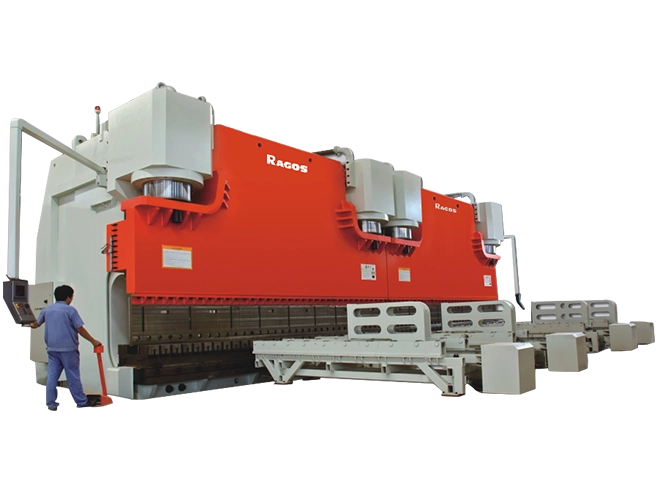
Quando você muda para um Freio de pressão de 4000mm, Você está entrando no mundo da fabricação estrutural e da produção de painéis longos. Esses 800mm extras de espaço na cama mudam a física da máquina e exigem uma abordagem mais sofisticada para manutenção e montagem.
A Realidade Operacional do Comprimento de 4000mm
Uma máquina de 4000mm oferece um comprimento prático de flexão de aproximadamente 3800mm a 3950mm. Esse alcance extra permite que você dobre painéis arquitetônicos superdimensionados ou canais estruturais longos que uma máquina de 3200mm simplesmente não consegue tocar.
- Alto Risco de Deflexão de Quadro: Quanto maior a distância entre os cilindros hidráulicos,, quanto mais a viga tende a se curvar no centro. Isso é uma questão simples de alavancagem; quanto maior o vão, mais fácil é para o metal flexionar sob carga.
- Coroação Avançada Necessária: You must have a high-quality mechanical or hydraulic crowning system to ensure the middle of a 4-meter bend stays at 90 degrees. Sem isso, Seus papéis longos serão "Aberto" no meio e "apertado" nas extremidades.
- Combinações de Tonelagem: Porque a força é distribuída por uma área maior, Essas máquinas geralmente são combinadas com tonelagem maior, como o 220T, 320T, ou 400T.
Melhor faixa de espessura para máquinas de 4000mm
Dependendo da tonelagem, Essas máquinas se destacam em aço de 4mm a 16mm. Eles são a escolha preferida para Flexão de chapas de 10mm when the parts are over 3 meters long. No entanto, você deve estar ciente de que uma máquina 200T a 4000mm tem muito menos "Poder de soco" por metro do que uma máquina de 200T a 3200mm.
Tonelagem vs. Duração Realidade: O "Dispersão da Força" Fator
One of the most dangerous mistakes a buyer can make is assuming that 200 tons of force feels the same on both machines. Não é. O "tonelagem por metro" é a métrica que realmente determina seu Capacidade do freio de pressão.
| Especificação da máquina | Tonelagem Total | Tonelagem por metro |
| 200T / 3200mm | 200 toneladas | 62,5 toneladas/m |
| 200T / 4000mm | 200 toneladas | 50.0 Toneladas/m |
Como você pode ver, A máquina de 4000mm possui uma potência de flexão significativamente menor para cada metro de feixe. Por isso, máquinas de 4000mm quase sempre exigem uma classificação total maior para realizar o mesmo trabalho em chapas grossas que uma máquina mais curta. Se você ignorar isso, Você vai se ver com dificuldades Tonelagem de abertura do cunho limites ao tentar dobrar seções grossas de 4 metros.
Diferença de Custo e Propriedade a Longo Prazo
O preço da máquina é só o começo. A máquina de 4000mm carrega um "Prêmio de Tamanho" Isso repercute todo o seu orçamento.
Padrões Reais de Mercado para Custo
- Preço da Máquina: Expect a 20% to 40% increase for the extra 800mm of length. Isso explica o aço extra no chassi e os cilindros hidráulicos maiores necessários para mover a viga mais pesada.
- Navegação: Uma máquina de 4000mm frequentemente requer transporte especializado de carga larga. Dependendo da sua localização, Isso pode adicionar milhares de dólares ao custo final de entrega.
- Instalação: Provavelmente você vai precisar de uma fundação de concreto mais pesada para suportar o peso extra e evitar que a estrutura se desloque com o tempo.
- Ferramental: Você precisa comprar conjuntos mais longos de perfuradores e matrizes. Se você trabalhar com peças de 4 metros, you need 4 meters of tooling. Isso se acumula rápido se você usar perfis especializados ou socos de pescoço de ganso.
Manutenção e Revenda
- 3200mm: Essas são mais fáceis de manter, Peças estão disponíveis universalmente, E o mercado de revenda é enorme porque eles se encaixam em quase qualquer loja.
- 4000mm: Esses exigem alinhamento mais complexo e habilidades de operador de nível mais alto. A calibração do sistema de coroação é crítica e deve ser verificada com mais frequência para evitar "Canoagem" nas suas partes longas.
Planejamento de Espaço e Fábrica
Você deve medir cuidadosamente o piso de sua fábrica antes de escolher. Uma máquina de 4000mm não ocupa apenas 800mm a mais; Exige um espaço muito maior "envelope operacional."
| Requisito | Máquina 3200mm | Máquina de 4000mm |
| Área de Impacto da Máquina | ~4 metros de comprimento | ~5 metros de comprimento |
| Espaço de Linha Recomendado | 6–7 metros | 8–9 metros |
| Requisito de Potência | Padrão | Maior |
Você precisa de espaço suficiente para manobrar chapas de 4 metros dentro da máquina e sair pela parte de trás. Se sua oficina for apertada, A máquina de 4000mm pode se tornar um gargalo em vez de um ativo. Já vi lojas comprarem uma máquina de 4000mm só para perceberem que não conseguem encaixar fisicamente o material no fundo-bitola por causa de uma parede próxima.
Estratégia de Produção: Qual Combina com o Seu Negócio?
Sua escolha deve ser ditada pelos seus contratos atuais e pelo seu plano de crescimento de 5 anos. Não compre para um emprego que você pode ser Obter; Compre para os empregos que atualmente pagam suas contas.
Escolha 3200mm se você:
- Faça trabalho misto em oficinas com trocas frequentes.
- Bend mostly parts under 3 meters in length.
- Quero um retorno do investimento mais rápido (REI).
- Têm espaço limitado na fábrica ou capacidade de energia.
- Foque em menores, peças de alta precisão usando um Freio de pressão elétrico.
Escolha 4000mm se você:
- Produza painéis arquitetônicos longos ou seções de telhado diariamente.
- Trabalho principalmente em fabricação estrutural ou manufatura pesada de reboques.
- Quero a capacidade de assumir qualquer trabalho que surgir.
- Tenha um fluxo de trabalho dedicado para materiais pesados e espaço para suportá-lo.
Gerenciando Ferramentas e Trocas
O comprimento da máquina também determina como você gerencia sua biblioteca de ferramentas. Em uma máquina de 3200mm, Ferramentas seccionadas padrão de 835mm são fáceis para um único operador manusear. Quando você passa para 4000mm, A quantidade enorme de seções de ferramenta necessárias para uma curvatura completa aumenta o tempo de troca.
Seccionalizados vs. Ferramentas sólidas
Para ambos os comprimentos, Sempre recomendo ferramentas seccionadas. No entanto, em uma máquina de 4000mm, Você deveria considerar um sistema hidráulico de fixação. Apertar manualmente parafusos em uma viga de 4 metros é uma tarefa tediosa que leva à fadiga do operador e ao aumento do tempo de inatividade.
O Impacto da Profundidade da Garganta
Não ignore a profundidade da garganta (A Folga nas Estruturas Laterais). Uma máquina de 4000mm geralmente oferece uma garganta mais profunda, permitindo que você se curve mais "Flanges de retorno" ou caixas profundas que atingiriam a estrutura em uma máquina menor. Se suas peças forem complexas, mas não necessariamente longas, Uma máquina de garganta profunda de 3200mm pode ter um valor melhor do que uma máquina padrão de 4000mm.
Final Thought: The 25% Rule
Escolher entre esses dois comprimentos se resume a um cálculo simples da sua saída. Look at your production logs for the last 12 months.
If parts longer than 3 meters represent less than 20–25% of your total revenue, A máquina de 3200mm geralmente é a mais inteligente, Escolha mais lucrativa. Você sempre pode terceirizar aquelas poucas partes longas ou "curva de degraus" eles, se o projeto permitir. No entanto, Se peças longas são seu negócio principal, A máquina de 4000mm é totalmente justificada apesar do maior custo de carga.
Escolher o comprimento certo garante que seu freio de pressão continue sendo uma ferramenta eficiente, e não um monumento caro e superdimensionado. Analise suas partes, Verifique seus requisitos de tonelagem, e escolha a máquina que mantém sua produção em movimento.